

Key Takeaways
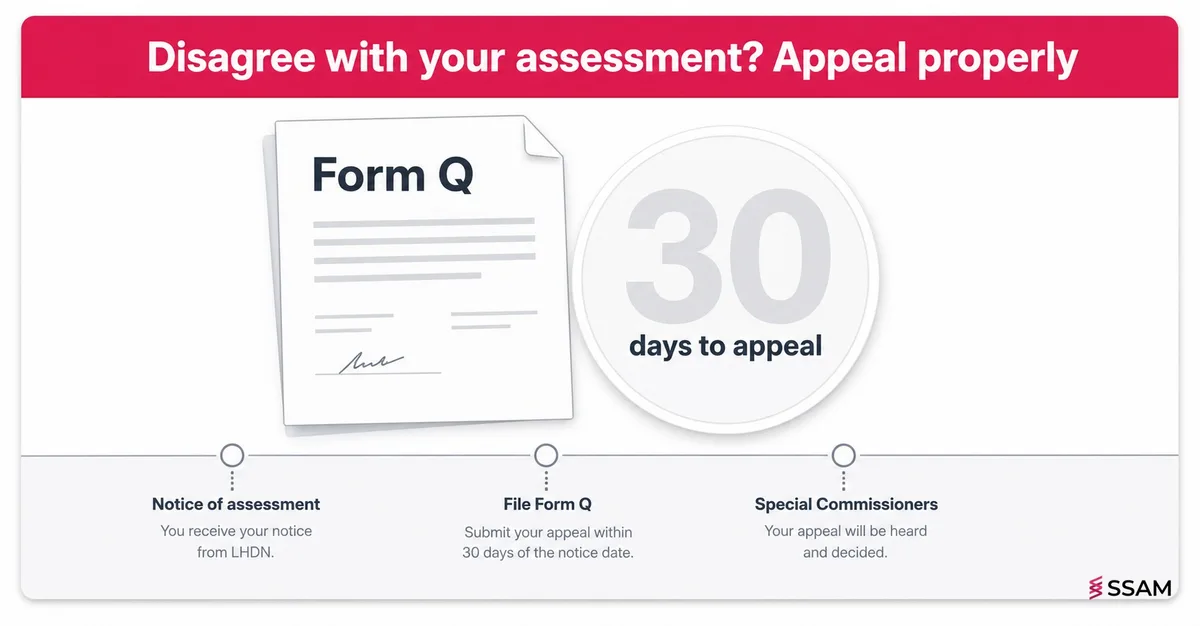
- You have 30 days from the notice of assessment to appeal using Form Q under Section 99 of the Income Tax Act.
- Filing an appeal does not pause payment. The tax remains due while your case is heard.
- Form Q needs 4 copies with at least 1 original, complete grounds of appeal and the signature of an authorised person such as a director.
- Missed the deadline? Form N asks for an extension of time, with reasonable grounds required.
- Unresolved appeals go to the Special Commissioners of Income Tax, with further appeal to the courts.
Knowing how to appeal an LHDN tax assessment is what separates a recoverable situation from an expensive one. An assessment lands, the number looks wrong, and the clock is already running: 30 days, one prescribed form, and a set of rules that reject appeals sent by ordinary letter or phone call. This guide walks through the Form Q process, late appeals, the pay-first rule most owners never see coming and how to manage cash flow while the dispute runs. If your 30 days are already counting down, SSAM's tax audit specialists in Kuala Lumpur can take the paperwork off your hands.
Your Right to Appeal Under Section 99
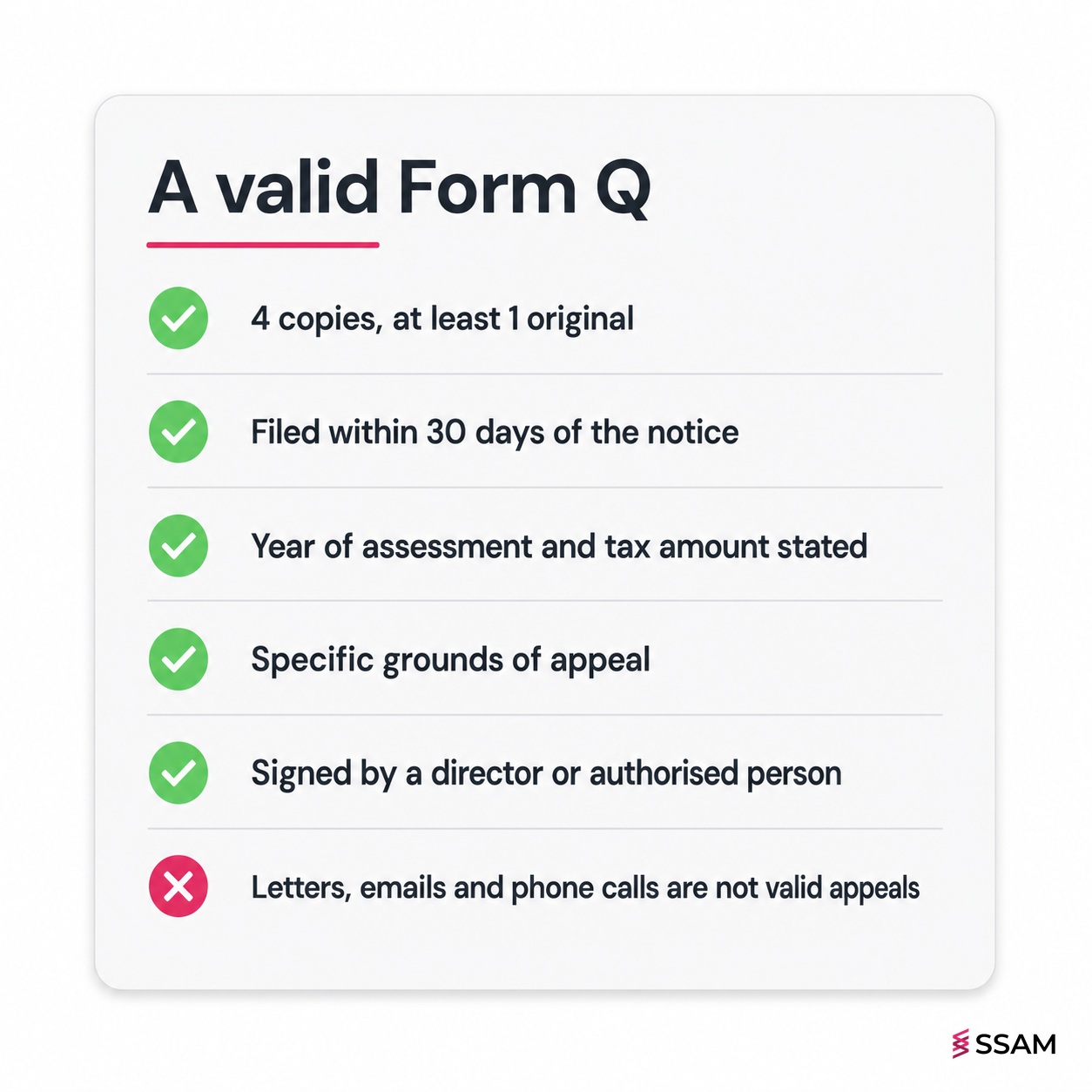
Any taxpayer who disagrees with an LHDN assessment can appeal under Section 99 of the Income Tax Act 1967 by submitting Form Q within 30 days from the date the notice of assessment is issued. Appeals made by ordinary letter, email or verbally are invalid, because only the prescribed form is recognised under the law.
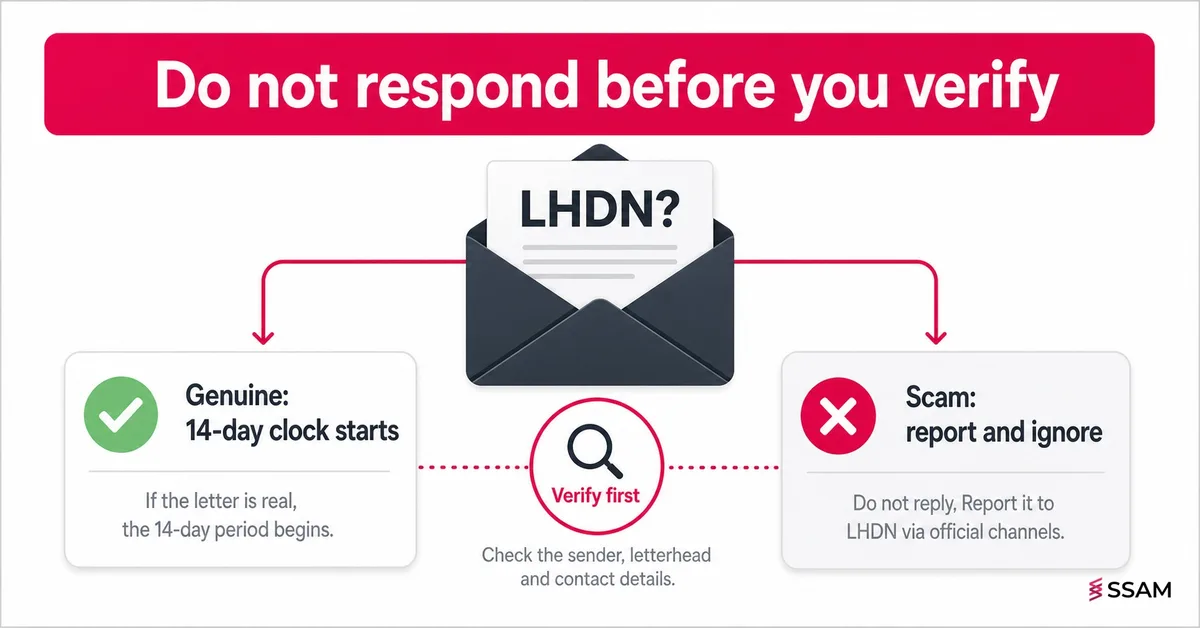
LHDN's Dispute Resolution Department publicly reiterated these rules in November 2025, noting that wrong forms and incomplete information remain the most common reasons appeals fail before they are even considered. Before acting on any assessment, confirm the letter itself is real using the checks in our guide on whether an LHDN letter is genuine or a scam. If the assessment came out of an audit, understanding how the tax audit in Malaysia reached its findings is the natural first step before disputing them.
You Must Still Pay While You Appeal
Here is the rule that surprises owners most: filing an appeal does not suspend payment. The tax raised in the assessment remains due and payable even while your Form Q is being processed. Waiting for the outcome before paying simply stacks late-payment increases on top of a bill you are already disputing.
Budget for the payment, or arrange terms, and treat the appeal as the route to a refund rather than a shield against collection. The full cost of ignoring this rule sits in our guide to LHDN tax audit penalties.
Form Q Essentials: Getting It Right First Time
A valid Form Q is procedural perfection, and LHDN rejects incomplete submissions:
- Four copies per year of assessment, with at least one original. The other three may be photocopies.
- No unrelated attachments. Supporting pages only where the form's space is insufficient.
- Complete details: the year of assessment, the tax amount, and your grounds of appeal stating why the assessment is wrong.
- The right signature. An authorised person must sign, such as a company director. Your tax agent can prepare the grounds but cannot sign the appeal for you.
- Submit to the right office: the LHDN branch handling your file or the office that raised the assessment.
Grounds of appeal deserve the most care. Vague dissatisfaction fails, while specific grounds tied to figures, documents and tax treatment give the review something to work with.
Missed the 30 Days? Form N Late Appeals
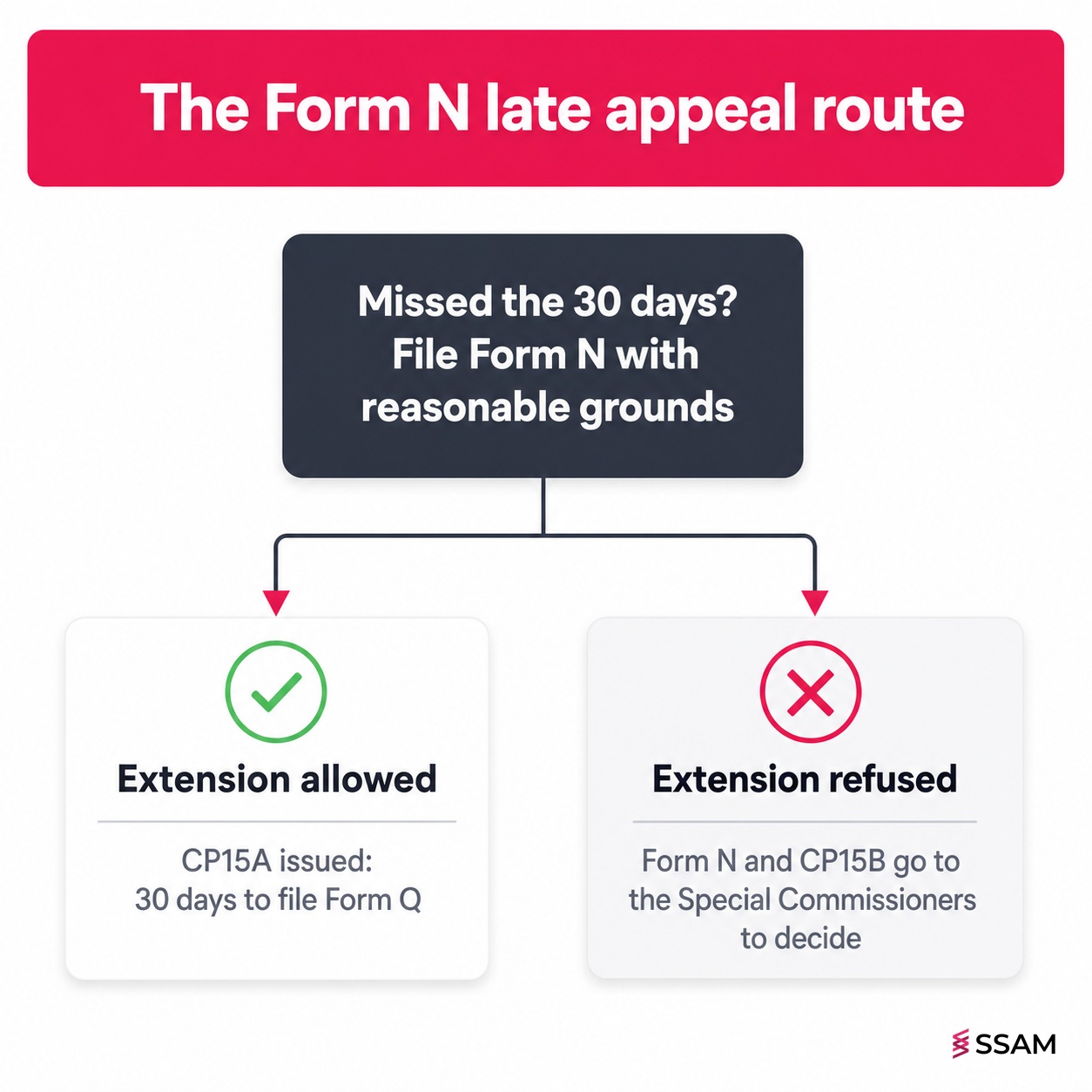
The 30-day window is strict, but not always final. An application for an extension of time is made with Form N, submitted in two copies with one original, and it must state reasonable grounds for the delay as required by law.
Two outcomes follow. If the Director General allows the extension, LHDN issues Form CP15A, and you then have 30 days from the date of the CP15A to file your Form Q. If the extension is refused, your Form N and a statement of the reasons for refusal (Form CP15B) are forwarded to the Special Commissioners of Income Tax, who decide whether your late appeal may proceed.
What Happens After You File
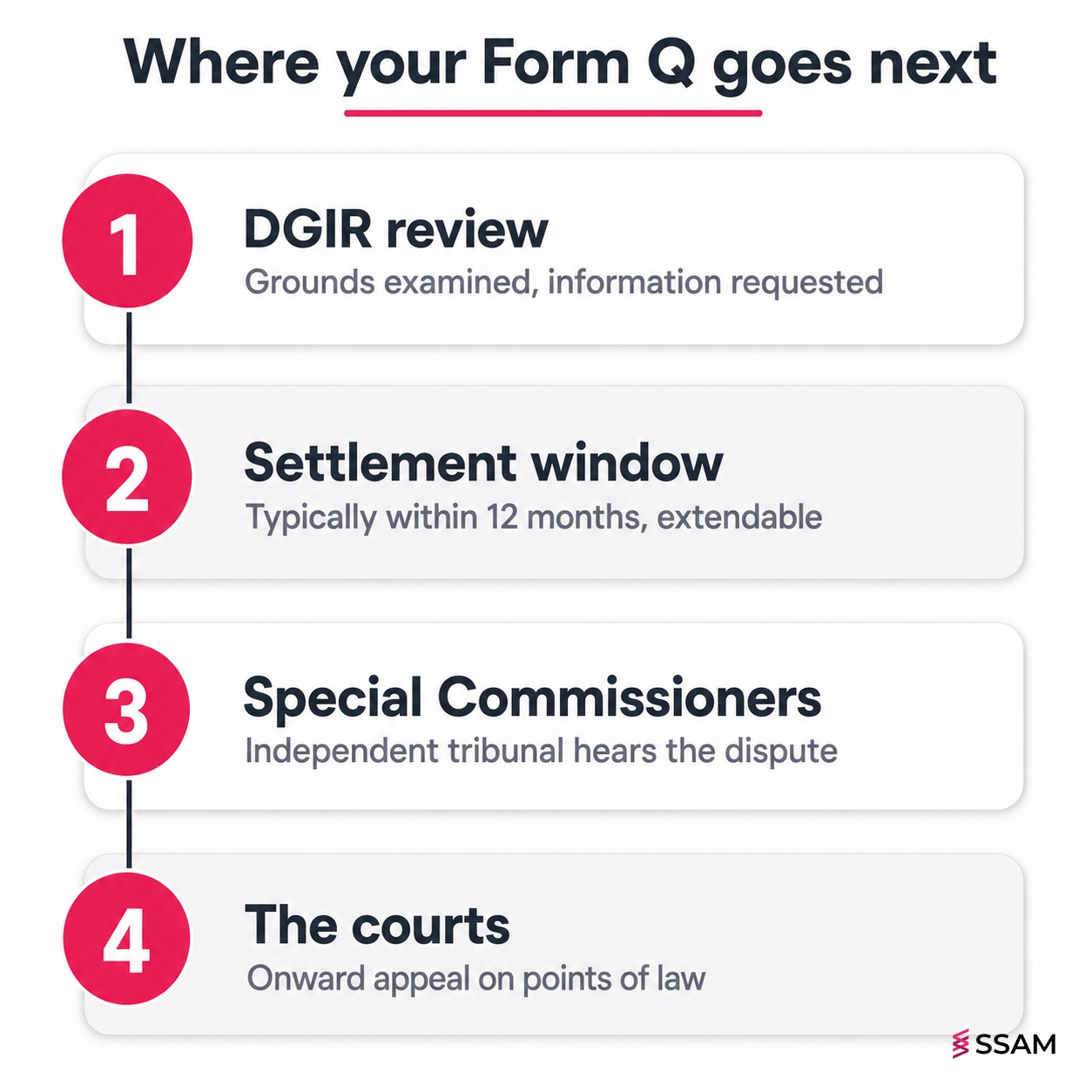
A filed Form Q moves through a defined pipeline:
- DGIR review. LHDN examines your grounds, may request further information and often resolves matters at this stage through adjustment or clarification.
- Settlement window. The review typically runs within twelve months, extendable where the case needs it. Many disputes end here in negotiated settlement.
- Referral to the Special Commissioners. Unresolved appeals are forwarded to the Special Commissioners of Income Tax, an independent tribunal that hears evidence and decides the dispute.
- The courts. Either side dissatisfied with the Special Commissioners' decision can pursue the matter onward to the High Court and beyond on points of law.
Most SME disputes never reach a hearing. Clear grounds and complete documentation resolve the majority during review, which is another reason the quality of your Form Q matters more than its speed.
e-Appeal via MyTax: The KL Pilot
The process is going digital. LHDN began piloting e-Appeal through the MyTax portal in September 2025, starting with the Large Taxpayers Branch and Kuala Lumpur files. For KL businesses this replaces the four-paper-copies routine with an online submission and clearer tracking of where the appeal sits.
The legal requirements stay identical: the 30-day deadline, complete grounds and proper authorisation all still apply. If your file sits outside the pilot, the paper Form Q route continues unchanged.
Managing Cash Flow During the Appeal
Since payment cannot wait for the outcome, plan the cash early:
- Quantify the exposure immediately: assessment, penalty and any increases already applied.
- Approach LHDN about instalments for amounts you genuinely cannot settle at once. Structured payment plans are entertained when proposed early with a realistic schedule.
- Keep every payment record. If the appeal succeeds, the documentation supports your refund position.
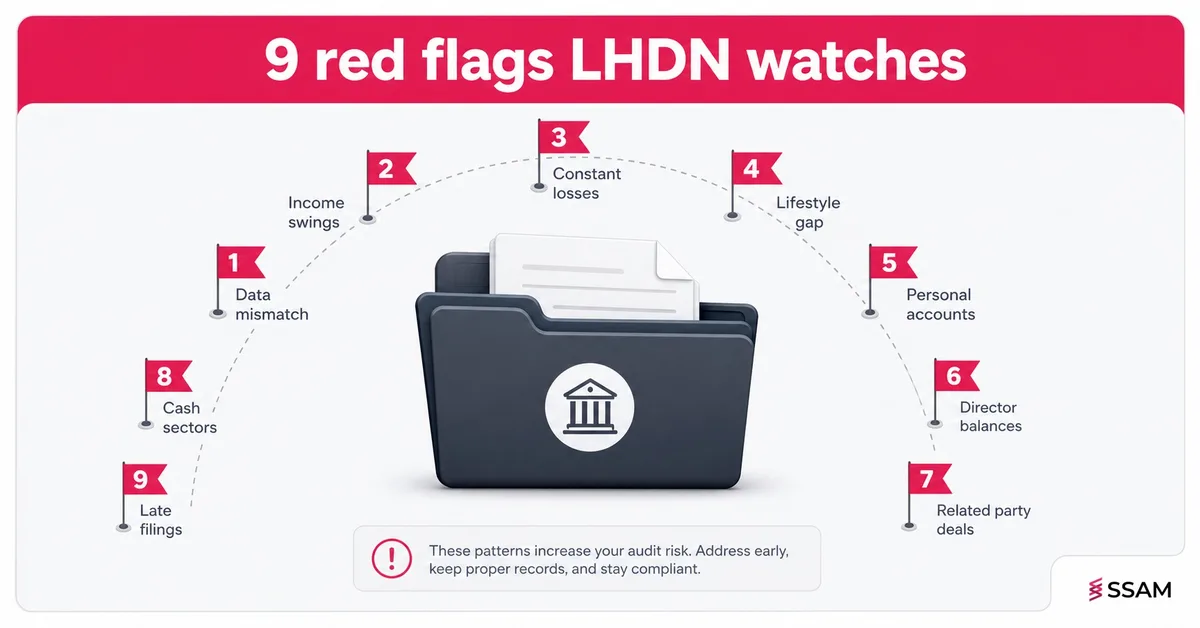
- Do not let the dispute stall other filings. Ongoing returns and estimates must stay punctual, because fresh non-compliance undermines both your appeal posture and your penalty position, and it re-raises the audit risk flags that started the process.
When to Use a Tax Consultant vs a Tax Lawyer
For most assessments, a licensed tax consultant is the right first call: quantifying the correct position, drafting grounds of appeal, compiling evidence and negotiating with LHDN during review. That is the stage where most disputes are actually won. A tax lawyer becomes essential when the case is headed to the Special Commissioners or the courts, where formal advocacy and points of law take over, or where the dispute borders on the territory covered in our comparison of a tax audit vs tax investigation.
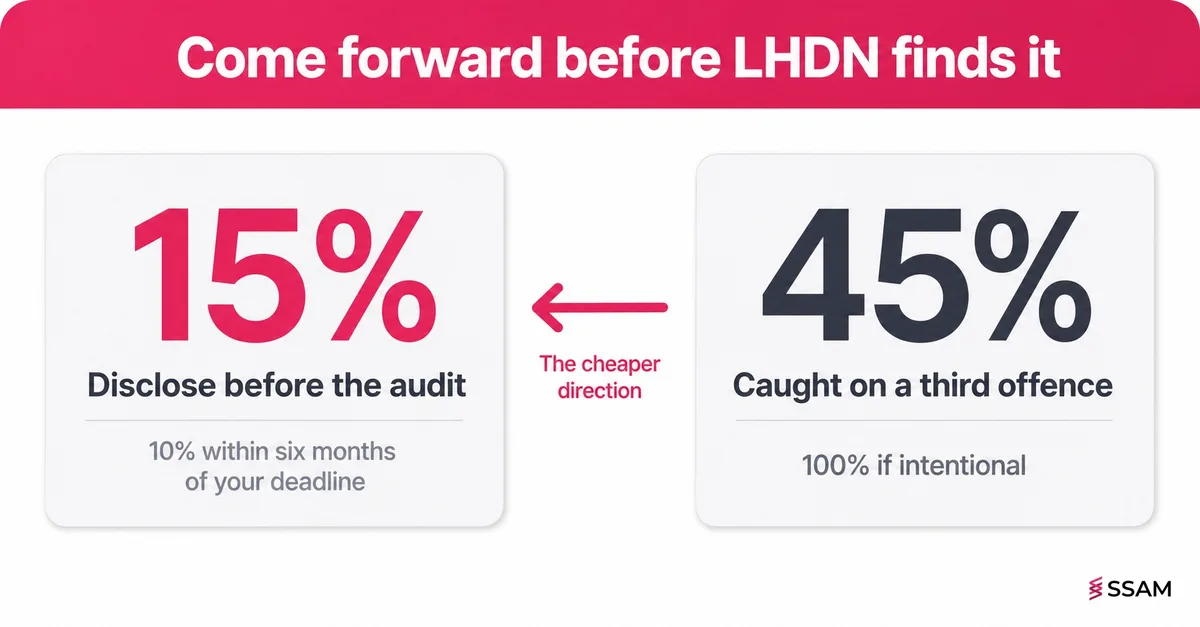
One more honest option deserves mention. If reviewing the assessment reveals the numbers were wrong in your own filings, correcting other years through a voluntary disclosure to LHDN is cheaper than defending them later.
SSAM prepares appeal grounds, manages LHDN correspondence and represents businesses through assessment disputes as a MOF licensed tax agent with 40 years of experience and more than 1,000 clients. Speak to SSAM or WhatsApp the team before your 30 days run out.
Frequently Asked Questions About LHDN Appeals
How long do I have to appeal an LHDN assessment?
30 days from the date the notice of assessment is issued, using Form Q under Section 99. Appeals submitted by letter, email or phone are not valid.
Can I appeal after the 30-day deadline?
Yes, by applying for an extension of time with Form N stating reasonable grounds. If allowed, a CP15A gives you 30 days to file Form Q. If refused, the Special Commissioners decide whether your appeal proceeds.
Do I have to pay the tax while my appeal is pending?
Yes. The assessed tax remains due and payable during the appeal, and unpaid amounts attract late-payment increases. Arrange instalments early if the sum is unmanageable.
Who decides my appeal if LHDN does not agree?
The Special Commissioners of Income Tax, an independent tribunal. Decisions there can be appealed onward to the High Court on points of law.
Can my tax agent sign the Form Q for me?
No. An authorised person such as a company director must sign. Your agent can prepare the grounds, computations and supporting documents, but the signature must be yours.
Data Sources / References
- LHDN, Appeal (company): https://www.hasil.gov.my/en/company/appeal/
- LHDN, Appeal (individual, Form N procedure): https://www.hasil.gov.my/en/individual/others/appeal/
- Bernama via LHDN, Tax Appeals Must Be Filed With Form Q Within 30 Days (19 Nov 2025): https://www.hasil.gov.my/media/e4wj10lb/20251119-bernama-tax-appeals-must-be-filed-with-form-q-within-30-days-lhdn.pdf
- LHDN, Public Ruling No. 7/2020, Appeal Against an Assessment and Application for Relief: http://lampiran2.hasil.gov.my/pdf/pdfam/PR_07_2020.pdf
- Special Commissioners of Income Tax: https://pkcp.treasury.gov.my/index.php/en/income-tax-appeal
The information in this article is provided for general informational purposes only and does not constitute tax, accounting, financial or legal advice. Tax laws change frequently and may not apply to your situation. Always consult a qualified professional before acting on any information here.